
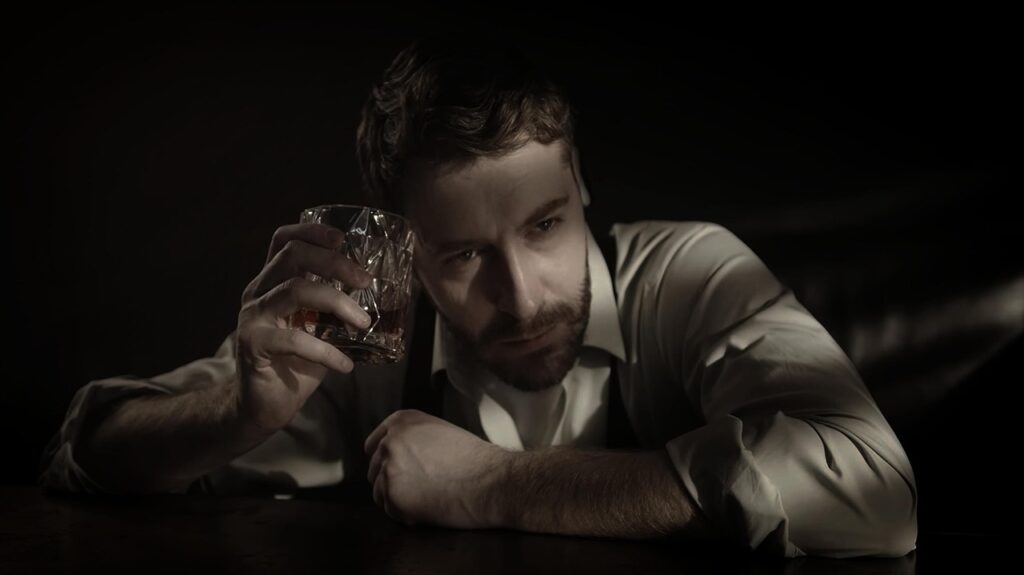
People often get depression wrong, partly because we throw the word depression around a lot in English. Because of this, some folks don’t even realize they’re dealing with it. And if you think someone you know might be depressed. It can be really tough to tell just from what most people think depression looks like. In this article we will point out some few Warning Signs Of Depression And Bipolar Disorder.
what exactly is depression?
The American Psychiatric Association’s big book of mental health stuff, the DSM-5, calls it a mood issue. It’s when you feel really sad or super down for more than a few days, and it messes with your everyday life. It can even cause physical problems like pain, changes in weight, trouble sleeping, or just no energy.
There are different kinds of depression, like major depression, persistent depressive disorder, and seasonal affective disorder. Major depression is the most common kind. The National Institute of Mental Health says about 21 million adults in the US had at least one major depressive episode. That’s 8.4% of all US adults. The CDC notes that while depression has really complicated causes, things like brain chemistry and your genes might make you more likely to get it.
Depression can also be linked to other problems like anxiety and panic attacks, which often pop up more when someone’s in a depressive episode. For some, depression signs might stay pretty mild. But for others, a major depressive episode can lead to thoughts of suicide or even attempts.
Depression is common everywhere, but other sicknesses can look like it. Issues like thyroid problems, not enough vitamins, and brain tumors can all have the same signs as depression. To make sure it’s not one of those things, your doctor might order lab tests or special scans.

Challenges in recognizing depression symptoms
The mental things that lead to depression are different for everyone. And sometimes, how people act and their own personalities make it tough to tell if they’re actually depressed. For instance, some people show all their feelings, while others with equally strong emotions might not show it on the outside.
Sometimes, changes in your routine, behavior, or sudden life changes can have reasons other than depression too. Someone who doesn’t hang out as much as usual might be avoiding people because of depression. Or, they might just be working more hours or really focused on a new relationship.
Also, some people with depression don’t want to talk about it publicly. There are many reasons for this, like societal judgments or fear of being labeled. Some might even see depression as a weakness that will mess up their place in a group, or they might not want to worry the people they care about.
There are a lot of wrong ideas about depression, but it’s important to remember that it’s a real health problem that can get worse if you don’t get help.
There’s a picture of a bearded man in a checkered shirt looking sad into the distance, with a woman behind him holding his left shoulder.
Related Article: How To Help A Suicidal Friend
What are the warning signs of depression?
Figuring out the signs of depression can be tricky because everyone is unique and complex.
The warning signs of depression can look very different from person to person. It depends on things like when it happens, the situation, your culture or family, past experiences, and more. But, there are some pretty common signs of depression that can give you clues about how someone is doing mentally:
Eating less or more might mean Warning Signs Of Depression
Completely losing your appetite can be a serious sign of depression or other medical problems. This means you could get into an unhealthy cycle where not eating enough due to depression leads to poor nutrition, which then makes depression worse.
Funnily enough, some depressed people feel like they have to eat too much. This shows that how much someone eats doesn’t necessarily mean depression; it’s the *change* in eating habits that can be a clue.
Risky things can be a sign
There are a few reasons why depressed people might take risks. One of the most common is using alcohol or drugs. A recent article by American Addiction Centers says: Mental health issues, like depression and anxiety, are often seen as a big reason why someone might misuse drugs or alcohol.
But behaviors that numb feelings, which can point to depression, aren’t just about drugs or alcohol. These distracting or numbing behaviors can include gambling, hurting oneself, sex, or pornography. People might also turn to binge eating or compulsive shopping – even a person’s job or career can become an obsession.
Related Article: What Is Passive Suicidal Ideation?
Physical signs as early warnings of depression
Depression isn’t just about your mind. It affects your body too and can play a part in many emotional and physical problems, from heart disease to stomach issues to frequent headaches. Body pain that doctors can’t fix with treatment is also a common sign of depression.
Beyond that, many people who feel depressed are often tired and have trouble focusing. Like with other depression signs, there are different possible reasons for these problems. But if they stick around for a long time, something might be off, and it could be time to talk to a therapist for advice.

Things people say that might mean depression
If someone’s usual conversations start to include topics like feeling helpless, having low self-worth, or losing hope, it could mean they’re depressed. It’s important to note that it’s normal for someone to talk about these things sometimes. But if you notice it’s constant without any other reason, it’s a good time to gently reach out.
The same goes for frequently saying negative things about themselves, like I’m useless or I feel stupid.
Losing interest can be Warning Signs Of Depression
Not wanting sex when you used to is really tied to depression in adults. But, a sudden loss of interest in *any* activity you usually like could be a sign of depression.
Suddenly feeling better after something good as a sign of depression and bipolar disorder
It might seem strange that this is a sign of a bigger problem, but a sudden mood improvement is a common sign of a type of depression called atypical depression. Sometimes, similar mood changes can also happen with bipolar disorder. It usually pops up after good news or positive events, but you’ll quickly notice it’s temporary and often followed by a crash, making the depression worse.
Related Article: What Is Bipolar Depression? Mental Health Symptoms & Treatment
Warning signs of depression in kids and teens, and the role of mental health care and peer support
A recent study from the Annie E. Casey Foundation on how kids are doing across states says, In 2020, 12% of kids in the US aged 3 to 17 years had been reported to have anxiety or depression at some point. Kids show many of the same depression behaviors as adults, but the reasons behind a child’s depression are a bit harder to figure out, maybe because it’s harder for them to clearly talk to therapists.
Kids with a family history of depression or bipolar disorder. Especially if it runs in the family for generations, are more likely to get depressed. The same goes for kids with lots of stress, including the stress from mental health issues like ADHD and learning difficulties. Also, anxiety, low self-esteem, and substance use issues often come with depression in children.
Related Article: How Could I Possibly Have Depression? Understanding Your Mental Health
The teen years are usually tough for young people anyway. This is often because of body changes, brain chemistry shifts, school pressure, social media use, and relationships getting more complicated.
These things, among others, can lead to teens feeling depressed. Many teens might try to treat themselves with recreational drugs or alcohol instead of getting professional help. The warning signs of real depression in teens are pretty similar to adults, with the added point that they tend to change more and with age. In many cases, regular doctors have started checking for depression during routine check-ups; they might ask questions to find depression and can send patients to a specialist if needed.
Even if they don’t want to, getting treatment is urgent for kids and teens with depression. Besides professional mental health care, support from other young people can really help them feel understood and less alone. Talking to a mental health professional who specializes in kids or teens is the best way to help your child or teenager deal with depression signs and possibly feel better mentally.
Talking to someone who is showing signs and might need help
Depression is a serious medical condition that might need emotional support or medicine to manage its signs. If you think a coworker or friend might be depressed, it’s important to be thoughtful if you decide to bring it up. Sometimes, trying to have a friendly and supportive chat can be misunderstood. Remember that everyone handles feelings of depression differently. Some might be open to talking, while others might not. If someone doesn’t want to talk about their mental health concerns. Try not to force them into talking about their feelings if they seem unwilling to have a conversation.
Experts suggest gently letting the person know you’re worried and that you’re there whenever they feel like talking. If they’re open to it, listen carefully and let them express their feelings. Most importantly, encourage them to get help.
Getting support from others when you have signs and early warnings of depression
Reaching out to family when you’re depressed can be a good first step, but professional counseling for depression is highly recommended if you notice signs in yourself. Although there are sometimes challenges with getting help, therapy is one of the best ways to learn the strategies you need to get past depression and start healing. A psychiatrist can also figure out if medicines are a necessary part of your treatment plan and prescribe them as needed. You can tell them about any side effects you have so they can adjust your medication.
If you sometimes feel overwhelmed talking about your feelings or don’t want to go to in-person sessions. There are helpful online counseling services out there. Depression sometimes comes with anxiety, which can also make it harder to get help. Like not wanting to see others while traveling to and from sessions or in a waiting room. Talking to a therapist online is a good option and can help get over some of the hurdles you might face when talking to a counselor in person.
Related Article: What is Postpartum Depression, and How to Cope With Symptoms
Mental health care and support choices for signs of a depressive disorder and bipolar disorder
There are many different treatments and resources for depression. Therapy, medicine, group therapy, and electroconvulsive therapy are among the most common. (Electroconvulsive therapy is usually saved for when other treatments haven’t worked.) If you or someone you know shows warning signs of depression or a depressive disorder and bipolar disorder. It’s important to get help as soon as possible to sort through those feelings and try to stop the signs from getting worse.
If you’re ready to get a handle on your depression, talking to a mental health professional in person or online is the first step. A therapist can help you figure out why you’re depressed and what in your life might be making it worse right now. They’ll probably also give you ways to deal with the signs and support you as you heal.
Online therapy for depression
As I said, online therapy is a popular modern treatment choice. It’s been shown to work just as well for depression using CBT (Cognitive Behavioral Therapy) as in-person sessions. A look at recent studies from the American Psychiatric Association on CBT reports that online CBT leads to big drops in anxiety and depression signs.
But online therapy has other good things about it too. Some people feel weird talking to an in-person therapist and would rather meet online. This makes sense, especially for those who struggle with talking to others. Meeting with a therapist or support groups online gets rid of the anxiety some people feel about having to talk to other patients in a waiting room or on the way to and from their appointment.
If you need help between sessions. You can reach out, and your therapist will get back to you as soon as they can.
Bottom line
Depression is a mood issue with signs that can show up in many ways. Depression often comes with feeling hopeless. But it’s important to know that there’s hope for treating your depression. And it doesn’t have to mess with your daily life.
Online platforms like Shroom Homies are good at matching patients with certified. Licensed professionals who have lots of experience figuring out and treating depression. If you need help dealing with your depression, start the process of finding the right therapist for you.
Related Article: What Is Manic Depression And How Does It Relate To Mental Health?