
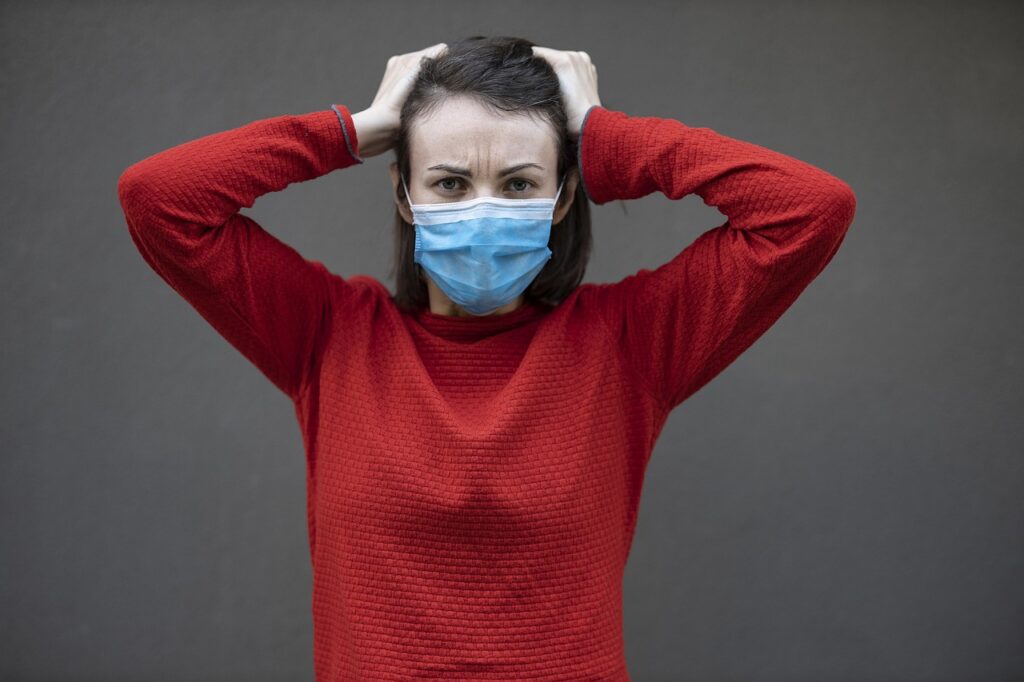
 Feeling down all the time? Losing interest in stuff you used to love? Having trouble sleeping or eating, or just can’t focus? That might be depression, a real medical condition. Sometimes it even comes with body aches or feelings of not being good enough. In serious cases, people might even think about hurting themselves.
About 5% of people around the world deal with depression, according to the World Health Organization. It’s a tricky condition with lots of different forms, like major depression and bipolar disorder, and the signs can vary a lot. Figuring out exactly why someone has depression can be hard because there’s no single, simple explanation.
While things like our genes, life events, brain chemistry, and even brain shape might play a part, really understanding what’s going on can clear things up about symptoms and what treatments might work. We’re going to talk about the science behind the common biological, psychological, and environmental things that seem to lead to depression.
What makes people depressed?
For a long time, scientists thought that an imbalance of brain chemicals was the main reason for depression. But newer research, even from groups like the American Psychiatric Association, suggests it’s not that simple. Now, scientists think it’s a bunch of things working together. Things like brain structure, our genes, hormones, family history, our personality, other mental health issues, and even stressful life events have all been linked to depression by science.
Chemicals in the brain
Back in the 1960s, researchers noticed that low levels of serotonin – a brain chemical that helps with a lot of body functions – seemed to be connected to depression. So, the idea that chemical imbalances caused depression became popular. But lately, even big places like the National Institute of Mental Health are wondering if that’s really the whole story. One big study on the chemical imbalance idea found that there isn’t really enough proof to back it up as the only cause. While many still see it as a piece of the puzzle, science now points to a mix of things (like brain structure, genes, and stressful events) as a more likely explanation for why depression starts.
Related Article: Is Major Depressive Disorder (MDD) A Serious Mental Health Condition?
Brain structure
Our brain is in charge of our moods, so it makes sense that changes in how it works or what it looks like can lead to depression. That’s partly why the chemical imbalance idea came about, and why medicines like SSRIs (which affect serotonin) were made. The thought was that these pills would fix the imbalance and make people feel better. And there’s research that shows antidepressants *do* help with depression.
So, if antidepressants that boost brain chemicals like serotonin work for depression, why isn’t the chemical imbalance theory the main way we understand it anymore? Researchers have found that these antidepressants might actually help our brains make new neurons, and that can ease depression symptoms.
(Quick note: Always talk to a doctor about side effects before starting or stopping any depression medicine.) This suggests that the way our brain is built and how our neurons act might be more important than just the amount of chemicals.
Research supports the idea that brain structure and depression are linked, showing a connection between depression and a smaller hippocampus (a part of the brain) and fewer new neurons being made. Studies also show that treating depression, including dealing with risk factors and health problems, can actually change the brain’s shape.
Related Article: Mental Health Care Tips For Dealing With Depression
Genetics as a factor in what causes depression
Scientists have found a clear link between certain genes and depression. Some doctors even think genes could be responsible for up to half of all depression cases. We see this genetic link because identical twins, who have the exact same genes, are more likely to both get depressed than non-identical twins.
The specific genes linked to depression can differ, though. Studies have found a connection between chromosome 3p25-26 and major depression. There’s also some proof that a gene called HTR2A might make people with depression respond better to antidepressants. To make it even more complicated, people with depression usually have several different genes that might play a role.
Genes can affect depression by changing how our brain is built and how it works. There’s also proof that certain personality traits we get from our genes might make us more likely to get depressed. For example, if someone has a certain version of the 5-HTT gene, they might be more likely to get depressed after a stressful life event.
Related Article: Am I Depressed, Or Is It Just A Phase: Symptoms Of Depression In Teens
Things in our environment
Learning good ways to handle stress can help with the environmental causes of depression. This can mean things like the air quality where we live, loud noise, or natural disasters, but more often it means things like trauma, ongoing pain, sickness, stress, and grief. Long-term illnesses, like heart disease or diabetes, are some of the most common reasons people get depressed. Losing a family member or having relationship problems can also bring on depression symptoms.
Depression has a strong link to high levels of cortisol, which is the stress hormone. This means that being stressed out all the time can make you more likely to get depressed. Also, bad experiences early in life can not only lead to depression but can also affect how well someone responds to treatments.
Even the place you live can matter. One study found that where someone lives can really impact their depression symptoms. There’s also research connecting depression to not having enough green spaces, noisy places, and bad air quality.
Hormone changes
Besides the reasons above, depression can also be caused by hormone shifts from different body changes, such as:
- Puberty
- PMS and PMDD (more severe PMS)
- Pregnancy
- Postpartum depression (after having a baby)
- Perimenopause and menopause (around the time periods stop)
Other health problems that can mess with hormones and lead to depression include:
- Not enough testosterone, estrogen, or progesterone
- Thyroid problems (overactive or underactive)
- Adrenal gland issues involving cortisol and adrenaline
Because of these connections, scientists have found that hormone supplements might be a good way to treat types of depression like postpartum depression and depression related to periods.
Related Article: Depressive Disorder And Mental Health: What Are The Five Types Of Depression?
Lifestyle
How we live our lives can really affect how bad depression symptoms are, and might even cause the condition. Besides the things we’ve already talked about, our diet, how well we sleep, how much alcohol we drink, smoking, using drugs, and too much screen time can all mess with our mood. One study even found that sleep, diet, and screen time, in particular, can make depression symptoms worse. Another study from the Centers for Disease Control found a link between smoking and more cases of mental health issues like depression.
In a big study looking at the connection between alcohol problems and major depression, researchers found that these two issues often go hand-in-hand. The study showed that people with alcohol problems are twice as likely to also have major depression, and the same goes the other way around.
Modern life has a lot that can contribute to depression. There’s even proof that having too many choices – a side effect of being able to get so many different things easily – can lead to stress and depression. Having trouble making decisions could cause you to lose interest in things or feel similar depression symptoms.
How social media adds to depression
Social media is another modern thing that can contribute to major depression. A study found that using platforms like Facebook can bring on depression symptoms. Social media can make some users compare their lives to others, which might look more perfect than it really is because people usually only share the exciting stuff. This act of comparing yourself to others can make depression symptoms worse.
Help for mental health problems
More and more studies show that online therapy can be really helpful for many mental health issues, including major depression and anxiety. In one study about how well online cognitive behavioral therapy (CBT) works for depression, researchers found that it greatly improved symptoms. Participants even said these improvements lasted for 9- and 12-month check-ups. CBT is a widely used method that helps people change negative ways of thinking that can make depression worse or even cause it.
The main point
We’re starting to get that depression comes from a complicated mix of things like our surroundings, how we live, our brain’s makeup, hormones, our genes, and even other health issues. People with depression often have negative thoughts, low self-esteem, and feel sad often. While depression can be tough to figure out, it’s definitely treatable. If you want to know more about depression, think about talking to a licensed online therapist. With the right help, you can better understand depression, deal with your symptoms, and feel better emotionally. What Causes Depression And Mental Health Conditions?
Related Article: Recognizing The Warning Signs Of Depression And Bipolar Disorder